Blog
Practical insights, honest reflections, and compassionate guidance for navigating grief and life's challenges. Here you'll find articles that help you understand what you're going through and give you tools to move forward with hope.
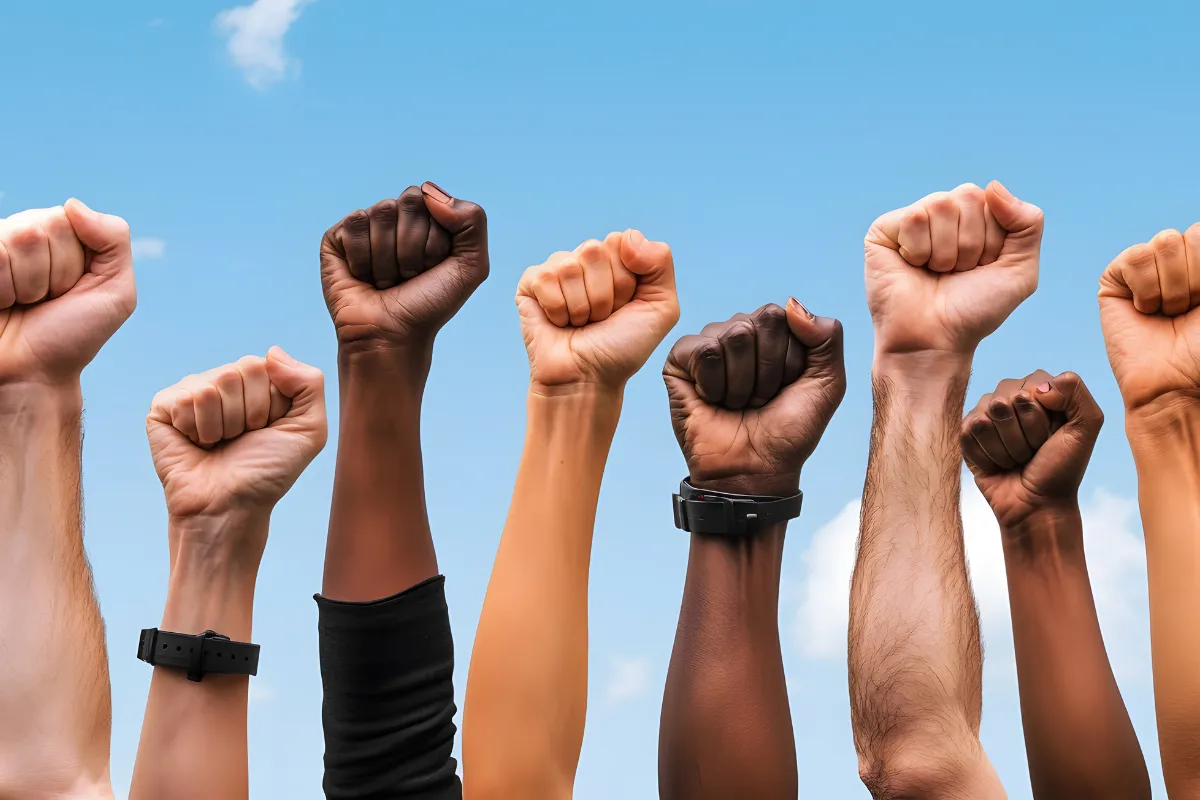
Human Rights Day: Why Dignity, Healing, and Emotional Safety Matter More Than Ever
Human Rights Day arrives each year as a reminder that every person deserves dignity, safety, and the chance to live a life shaped by freedom and respect. Yet behind every policy, statement, and celebration are real people, carrying real stories. Some are hopeful, others are heavy.
And many are quietly hurting.
If you have been through grief, trauma, violence, discrimination, family conflict, workplace pressure, or the loss of someone to suicide, this day can stir something deeper. It can shine a light on the places where your own rights, emotional wellbeing, or safety were challenged.
Human Rights Day is often spoken about in big global terms. But today, I want to bring it to a human level. A personal level. Your level.
Because your emotional world is a human rights issue too.
The hidden emotional side of human rights
When we think of human rights, we think of freedom, equality, protection, and justice. But one of the quiet truths we often forget is this:
Emotional safety is a human right.
Mental wellbeing is a human right.
Healing is a human right.
You deserve to live in a world where your experiences are acknowledged and your pain is not dismissed. A world where you are allowed to feel, to grieve, to ask for help, and to rebuild your life at a pace that honours your emotional reality.
And yet, many people don’t feel they have that space.
Professionals and entrepreneurs tell me they feel they must stay strong. Families say they must hold everything together. People affected by suicide often feel the weight of stigma, silence, and shame.
Human rights are not only about what the world owes us. They are also about the truth that every person has the right to be seen, heard, and supported.
Why Human Rights Day can trigger unspoken emotions
For some, this day brings hope. For others, it brings heaviness. You may notice:
a sudden tiredness you can’t explain
a familiar ache you haven’t thought about in a while
a sense of injustice about what happened to you or someone you love
memories you usually push aside
anger, sadness, or numbness that seems to come from nowhere
These reactions are not wrong. They are human.
When the world talks about dignity, justice, and safety, your mind and body may naturally remember the times you felt unsafe, unheard, or unsupported. This is especially true if you’ve been through loss, burnout, relationship breakdowns, workplace bullying, family conflict, or the suicide of someone close.
You are not “overreacting.” You are responding to something real.
Grief and human rights, more connected than people realise
Many people don’t think of grief as a human rights issue. But it is.
Grief affects your right to emotional safety, the right to support, and the right to be treated with dignity during one of the most painful experiences a human can face.
Consider the situations people quietly carry:
the parent who died unexpectedly
the friend lost to suicide
the loved one whose mental health needs weren’t taken seriously
the breakup that left deep emotional wounds
the colleague treated unfairly at work with no protection
the child who grew up around violence or neglect
the adult who never felt safe in their own home
These are human rights stories too. They just happen in living rooms and workplaces rather than courtrooms.
When we speak about healing and wellbeing, we are talking about reclaiming something everyone deserves: the right to feel emotionally whole again.
If you have lost someone to suicide
Suicide brings a specific kind of grief that is often misunderstood. People affected by suicide can feel:
guilt
shock
confusion
anger
shame
fear
the pressure to stay silent
If this is part of your story, your feelings are valid. You deserved support then, and you deserve it now. And you have the right to rebuild your life without carrying the weight of silence or stigma.
Human Rights Day is a reminder that your voice matters. Your pain matters. Your healing matters.
If you are navigating emotional challenges while trying to stay “professional”
I work with professionals and entrepreneurs who tell me they feel:
constant pressure to stay “on”
afraid of showing weakness
overwhelmed by expectations
disconnected from themselves
exhausted but unsure why
frightened of slowing down
Emotional strain does not remove your professionalism. It reveals your humanity.
One of the simplest truths I share with clients is this:
You do not have to earn the right to rest.
You do not have to justify the right to feel.
Your wellbeing is not separate from your human rights. It sits at the centre.
A gentle question for you today
As you think about Human Rights Day, try asking yourself:
“Where in my life do I need more emotional safety, dignity, and care?”
It might be in your workplace.
It might be in your family.
It might be in your grief.
It might be in how you speak to yourself.
It might be in how much you allow others to see your real needs.
Whatever comes up for you, honour it.
No one heals by being silent or pretending they don’t need help
Healing is a form of reclaiming your rights.
Rest is a form of resistance.
Compassion is a form of self-protection.
Grief work is a form of liberation.
You are allowed to create space for yourself.
You are allowed to slow down.
You are allowed to take your healing seriously.
These are not luxuries. They are human rights.
Where to start if you want more clarity
Sometimes people know something feels off but they don’t have the words for it. They feel tired, stuck, overwhelmed, or emotionally flat, but they don’t know why.
If that sounds familiar, you might find it helpful to explore one of these gentle tools:
A short, insightful quiz that helps you understand what might be draining your energy or emotional balance.
A simple way to explore whether unresolved grief might be affecting your wellbeing more than you realise.
Both tools are free, private, and designed to give you clarity without judgement.
You deserve space to breathe, to heal, and to feel safe
Human Rights Day reminds us that people deserve justice, compassion, and dignity in every corner of life. You are one of those people.
Your story matters.
Your healing matters.
Your emotional safety matters.
And you don’t have to walk any of this alone.
If something in this post spoke to you, feel free to share it or connect with me. Your journey is valid, and support is within reach.
Want to collaborate?
Let's talk. I'd love to hear how we can support each other.
Connect with me
Find me on social media or drop me a message. I'd be happy to connect and answer any questions you might have.


© Copyright 2026. Ghulam Fernandes. All rights reserved.