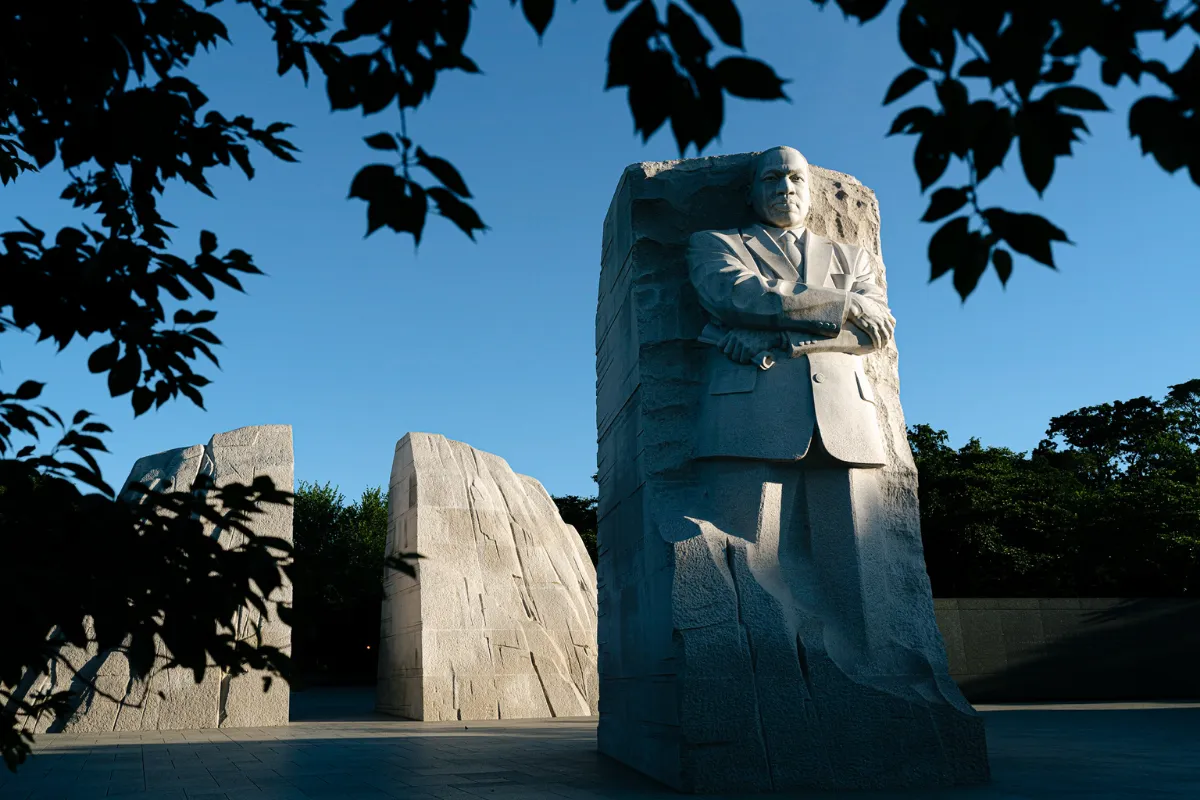
Martin Luther King Jr. Day: What Grief, Justice, and Rest Have in Common
The Day We Honour a Dream (But Miss the Deeper Truth)
Every January, we pause to remember Dr. Martin Luther King Jr. His speeches echo through social media. His quotes appear on inspirational graphics. We acknowledge his dream.
But here's what most people miss: Dr. King's work wasn't just about justice. It was about collective grief, unresolved trauma, and the cost of caring too deeply.
Sound familiar?
If you're a coach, therapist, healthcare worker, or business owner who pours into others while running on empty, this day holds a mirror up to something you might be avoiding. The connection between justice work, grief work, and your own wellbeing isn't abstract. It's personal.
The Grief We Don't Name
Dr. King understood something profound. Injustice creates grief. Not just anger or frustration. Actual, bone-deep grief.
Loss of safety. Loss of trust. Loss of what could have been.
When communities experience systemic harm, they grieve:
Stolen childhoods
Fractured families
Dreams deferred or destroyed
Lives cut short by violence or neglect
This isn't ancient history. It's generational trauma that shows up in doctor's offices, therapy rooms, and coaching sessions today.
Here's the part that matters for you: grief doesn't announce itself. It disguises itself as exhaustion, resentment, or numbness. You might call it burnout. You might blame your workload.
But underneath? Unresolved grief from losses you never processed.
Maybe it's the client you couldn't save. The career change that felt like failure. The relationship that ended badly. The parent you lost while building your business.
You keep going because that's what caring professionals do. But grief keeps score.
When Rest Becomes Resistance
Dr. King famously said: "The arc of the moral universe is long, but it bends toward justice."
What he didn't say (but lived): the people bending that arc need to rest or they break.
Here's where Martin Luther King Jr. Day intersects with your reality.
Rest isn't lazy. For people who carry others' pain, rest is radical. It's revolutionary. It's survival.
Yet you probably:
Feel guilty taking breaks
Check emails on "days off"
Say yes when your body screams no
Judge yourself for needing support
One of my clients came to me utterly exhausted. She supported adults with ADHD, poured into her clients, and felt like a failure for struggling herself.
Through our work together, she discovered something unexpected: "I thought grief was grief. It happens when someone dies, and that's it. But through speaking with Ghulam, I realised that underneath my lack of confidence was unresolved grief."
She wasn't broken. She was grieving multiple losses she'd never processed. And it was affecting everything.
Sound familiar?
The Hidden Cost of Caring
Caring professionals experience grief differently than most people realise.
You grieve:
Clients or patients you couldn't help
The gap between your impact and your capacity
Your own needs, constantly deprioritised
The version of yourself before compassion fatigue set in
Relationships damaged by your work demands
This isn't about death alone. There are over 40 life events that trigger grief:
Job loss or redundancy
Relationship breakdowns
Health diagnoses
Business setbacks
Empty nest
Relocation
Identity shifts
Financial challenges
Most people don't recognise these as grief. They call it stress. Overwhelm. "Just life."
But your body knows the difference. And it's keeping score.
What Dr. King Teaches Us About Boundaries
Here's something they don't teach in your training: you can't care for others from an empty well.
Dr. King worked tirelessly. He also faced death threats, FBI surveillance, criticism from allies, and exhaustion that would have broken most people.
The lesson isn't to work harder. The lesson is that sustainable impact requires boundaries.
Not the kind that make you feel selfish. The kind that keep you alive and effective.
Boundaries like:
Saying no without guilt
Protecting your time off
Seeking support before crisis hits
Acknowledging when you're not okay
Processing loss instead of pushing through
The Question You're Avoiding
Quick check. How many of these feel true right now?
You look fine externally but feel heavy internally
You're productive but not satisfied
You avoid talking about certain losses
You struggle to make decisions or focus
You're exhausted despite adequate sleep
You feel resentful toward people you care about
These aren't signs you're failing. They're signals that unresolved grief is running your life.
The Grief Assessment Quiz takes 8 minutes and reveals exactly how past losses might be affecting your energy, relationships, and capacity for joy today.
Or if you suspect it's broader than grief, try the Hidden Wellbeing Gaps Quiz. Most caring professionals are surprised by what they discover about where their energy is actually going.
What to Do Next
Martin Luther King Jr. Day isn't just about remembering a hero. It's about recognising that justice, grief, and rest are connected. For you, that means:
Stop waiting for permission to struggle. Caring professionals aren't immune to pain. You're just better at hiding it.
Name your losses. Not just deaths. Job changes. Relationship endings. Health diagnoses. Identity shifts. They all count.
Get proper support. Talking to friends helps. Professional grief work transforms. There's a difference.
If you're reading this and thinking "maybe later," consider this: Esther waited months before seeking help. She wishes she'd started sooner.
Your Next Step
For understanding how well you are handling grief: Take the Grief Assessment Quiz. It's free, takes 8-10 minutes, and shows exactly where unresolved grief might be holding you back.
For broader wellbeing concerns: Try the Hidden Wellbeing Gaps Quiz. Discover which areas of your life need attention most.
For immediate support: Download the free guide "5 Things Never to Say to Someone Grieving (Plus What Actually Helps)". Whether you're supporting someone else or recognising your own grief, this gives you practical tools today.
Ready to talk? Book a free clarity call. Let's explore whether the Handling Grief Programme could help you move forward without spending years stuck in pain.
Final Thought
Dr. King's dream wasn't just about equality. It was about wholeness. Justice. Rest. Healing.
You deserve that too.
Not someday when your schedule clears. Not after you've helped everyone else. Now.
Because the people who need you most need you whole, not broken.


