Hope Beyond Loss: The Conversations We Did Not Know How to Have
My younger sister seemed to be coping better than any of us.
That is one of the things I remember most clearly when I look back.
On the surface, she appeared to be managing. We did not understand how much grief and pain she might still be carrying. We did not have the knowledge or language to recognise what was happening beneath what we could see.
My sister was more than the way her life ended. She was loved. She was part of our family, our shared history and the future we expected to have together.
She was 21 when she died by suicide.
For years afterwards, my mind returned to the past with the same relentless questions.
Why did I leave? Why did I not take her with me? What if I had come home sooner? What if I had managed to speak to her one last time?
It took me a long time to understand that grief can make us search the past for a different ending, even when we were making decisions without the information we later wished we had.
The grief I thought I was coping with
My mother died when I was 13.
Like many people, I tried to survive by staying busy, giving it time and being strong. Years later, when my older brother died suddenly from a massive heart attack, the grief I had never resolved resurfaced.
I was around 30 and struggling at work. Yet I thought I was coping well under the circumstances.
I was still turning up. I was still functioning. I was doing what needed to be done.
One of my colleagues saw something I could not yet see. She suggested that I take some time off.
I realised that a few weeks would not be enough. I decided to resign and travel to India, where I planned to stay at an ashram and try to put myself back together.
I did not yet have a map for grief. I only knew that the way I was living was no longer sustainable.
The crisis we did not understand
Shortly before I was due to leave, my younger sister experienced what appeared to us to be a serious delayed reaction to grief while she was on holiday. She had a mental breakdown.
Mental illness was not something families talked about openly in those days. We did not recognise the signs. We did not understand what might be happening, and we did not know what to do.
I began preparing to cancel my trip.
Then my sister appeared to make a remarkable recovery. She seemed to come back to herself.
I was torn.
Should I take her to India with me? Perhaps the trip would help her. But I had never been to India before. What would happen if she experienced another crisis? What mental-health services would be available? How could I care for her in an unfamiliar country when I was struggling myself?
She reassured me that she would be fine. Our family would take care of her. She insisted that I needed the trip for my own wellbeing.
I allowed her to persuade me.
The message that changed everything
I travelled for almost three months.
I was already thinking about returning home when I received a message telling me that my sister was struggling and that I should come back.
Because I was travelling alone, my family did not want to frighten me. They understated how serious her condition had become. I did not know that she had become suicidal again.
When I heard that she was back in hospital, I felt relieved.
I had begun to feel more at peace. I believed she was somewhere safe and that, when I returned, I would be in a better position to support her.
The day before my flight, I tried to telephone her and tell her I was coming home.
This was before mobile phones and simple international calling. Reaching someone from abroad could be complicated, and I could not get through.
My practical voice told me not to worry. I would be home tomorrow.
While I was travelling, my sister left the hospital. She died by suicide before I landed.
When I arrived and asked how she was, nobody answered.
Eventually, they told me that she had died.
The endless “if only” questions
The regret was overwhelming.
Why had I not cancelled my trip?
Why had I not taken her with me?
What if I had persevered with that telephone call?
What if I had returned sooner?
Why had she been able to leave the hospital when she was so unwell?
The questions went on and on.
I was not the only member of my family left with painful “if only” thoughts. Each of us searched the past for the moment when we imagined we might have changed the outcome.
I cannot know whether one conversation, one different decision or one different action would have changed what happened.
I do know that I judged the woman I had been using information that only became available afterwards.
Hindsight showed me everything I wished I had known. It did not mean I could have known it at the time.
That distinction did not remove my love, sadness or regret. But it eventually helped me begin separating grief from the belief that I alone should have prevented an outcome I could not foresee.
When grief keeps accumulating
My sister’s death was devastating for all of us.
Just as I was beginning to come to terms with what had happened, my father died while he was on holiday, approximately a year later.
I then experienced three miscarriages.
Grief became very real to me. So did fear. I became frightened of death and dying.
For many years, I felt as though I were lost in a maze of grief. I kept trying to find the way out, only to reach another dead end.
I tried being strong. I tried keeping busy. I tried giving it time.
But time passing was not the same as resolving what remained unfinished.
What I wish we had known
When I look back now, I do not see a family that did not care.
I see a grieving family who loved one another but did not have the knowledge, confidence or language to respond to what was happening.
We did not know that someone could appear to be coping while carrying immense pain.
We did not know how delayed and cumulative grief could affect a person.
We did not know how to talk openly about mental illness or suicidal feelings.
We did not know which questions to ask, how to listen without fear or where to find the right support.
Love mattered. But love on its own did not give us the knowledge we needed.
That is not a judgement on my family. It is one of the reasons I now believe so strongly in grief education, honest conversations and earlier support.
Changing the narrative begins with listening
World Suicide Prevention Day invites us to change the narrative around suicide.
For me, that means making it safer to speak before pain becomes unbearable.
It means noticing when someone seems unlike their usual self, even while continuing to work, smile or care for everyone else.
It means resisting the urge to rush towards reassurance before we have heard what the other person is trying to say.
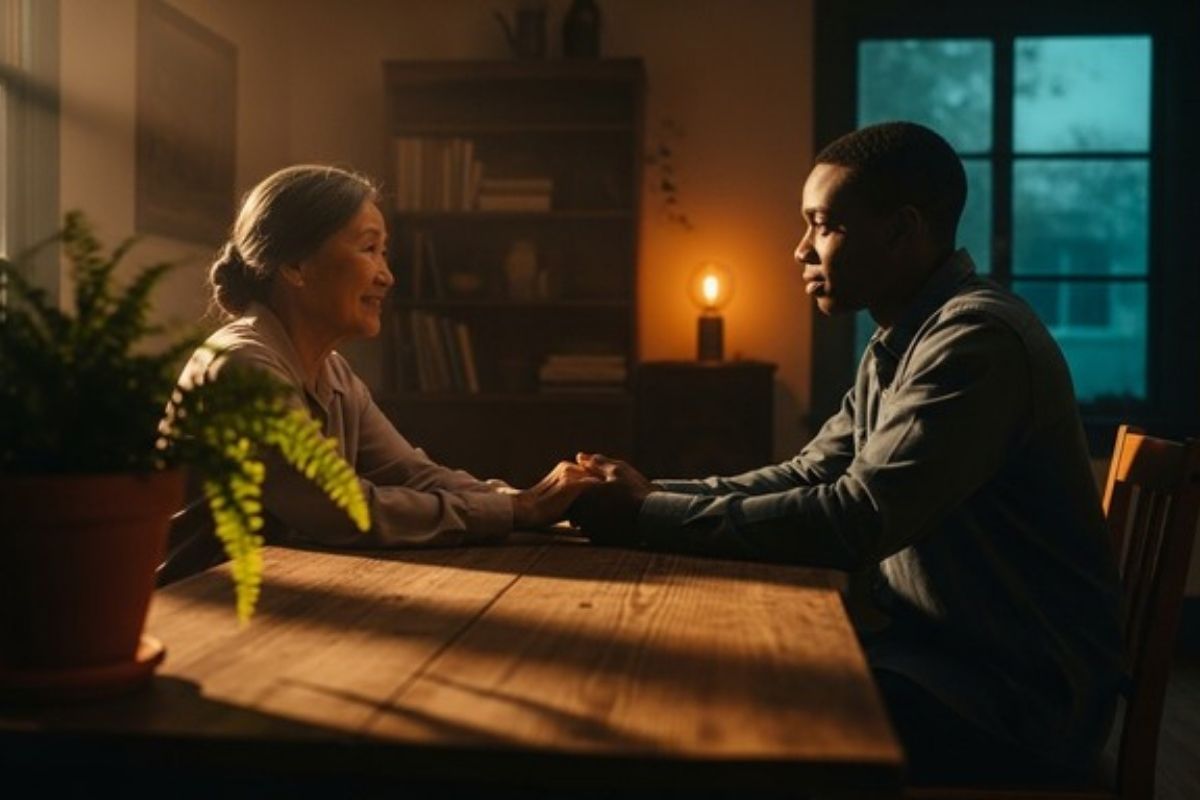
It means being willing to say: “I am here.” “Take your time.” “You do not have to pretend with me.” “I may not fully understand, but I want to listen.” “Let us find the right support together.”
Listening does not make one person solely responsible for keeping another person alive.
It can, however, create a bridge towards professional help, crisis support and the knowledge that someone does not have to face the moment alone.
Finding hope beyond loss
I eventually found my way out of the maze.
I was able to make peace with much of the past, move forward and live more fully again. I learned that remembering the people I loved did not require me to remain trapped in the most painful moments of their lives or deaths.
Once I had found a way forward, I decided to train as a Grief Specialist.
I wanted other people to have the knowledge, tools and guided process I had needed. I did not want them to spend years feeling lost, believing that time and strength alone would resolve what remained unfinished.
My pain became part of my purpose.
It did not make what happened acceptable. It did not replace the people I had lost. But it allowed something loving and useful to grow from experiences that had once left me frightened and without direction.
Loss changes our story. It does not have to define the rest of it.
Hope beyond loss does not mean forgetting.
It means believing that grief does not have to control the whole of our future.
It means learning to remember the whole relationship, not only how it ended.
And it means creating the conversations, understanding and support that many families, including mine, did not know how to find.
If this article has affected you
If you are struggling or feel that you may not be safe, contact an appropriate crisis or suicide-prevention service where you live. In the UK and Ireland, you can call Samaritans free, day or night, on 116 123. If there is immediate danger, contact your local emergency services.
If you are concerned about someone else, take your concern seriously. Stay nearby if it is safe to do so, help the person contact appropriate crisis or medical support, and contact emergency services if there is an immediate danger to life.


